
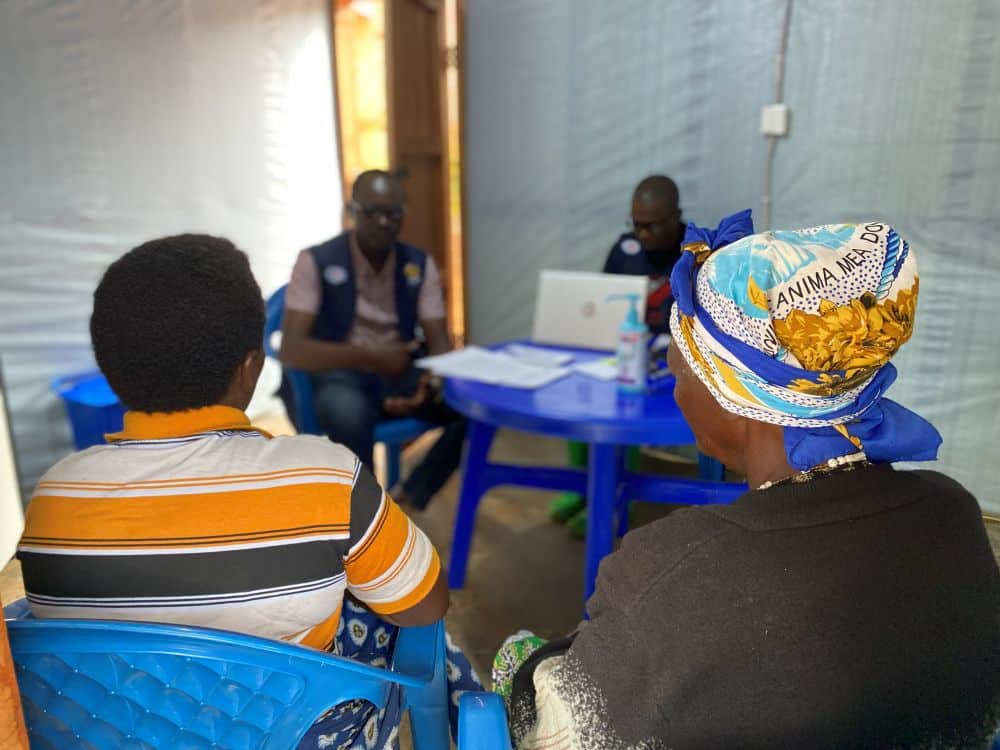
Launched in July 2026 in the Democratic Republic of the Congo (DRC),the EBO-PEP trial [1] is evaluating a post-exposure prophylaxis (PEP) strategy among people at high risk of infection with the Bundibugyo Ebola virus.
One of the challenges to the success of this trial is identifying and enrolling, immediately after their exposure, those individuals who have been in contact with an infected person and may therefore have been exposed to the virus. Many stakeholders are involved: researchers, doctors, NGOs, and community advisors.
As of November 2, 2026, 614 people had been enrolled in the EBO-PEP clinical trial.
Identifying high-risk contacts: a key challenge for EBO-PEP
In the DRC, the response to the Ebola outbreak is part of the Continental preparedness and response plan on the Bundibugyo Ebola virus, coordinated by the Ministry of Public Health, specifically by the Public Health Emergency Operations Center (COUSP). It brings together health authorities, national and international partners, and humanitarian organizations around several key pillars.
The EBO-PEP trial relies in particular on the “Surveillance and Epidemiology” pillar. The teams within this surveillance pillar are responsible for identifying, registering, and tracking contacts of confirmed cases following their admission and diagnosis at an Ebola treatment center (ETC) or following a death. These may include family members, close contacts, or caregivers who have been in contact with the patient. These contacts are identified by the response surveillance teams and then assessed by the EBO-PEP teams to determine whether they meet the trial’s inclusion criteria and are eligible for PEP. Close collaboration with the response surveillance teams is therefore a key factor in the success of the EBO-PEP trial.
This collaboration ensures continuity between surveillance activities and enrollment in the EBO-PEP trial, without creating a parallel research system.
Steps for Enrolling and Monitoring Participants
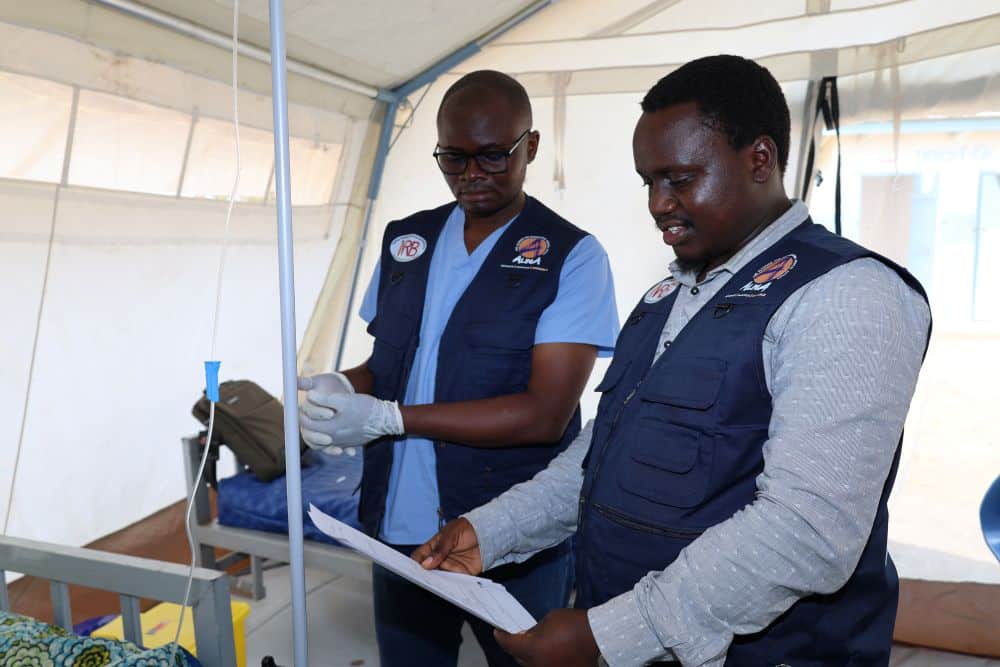
Time is of the essence: high-risk contacts must be identified, located, and assessed very quickly so they can receive prophylaxis within the timeframe specified by the protocol (no later than 5 days after the last contact). This requires rapid information sharing between surveillance and research teams, as well as the ability of all parties to mobilize immediately in the field.
Teams must quickly locate people—who are sometimes scattered across remote areas—and direct them to search teams. This presents a significant operational challenge. Insecurity, poor road conditions—particularly during the rainy season—and difficulties in accessing certain communities complicate travel and slow down monitoring and response efforts.
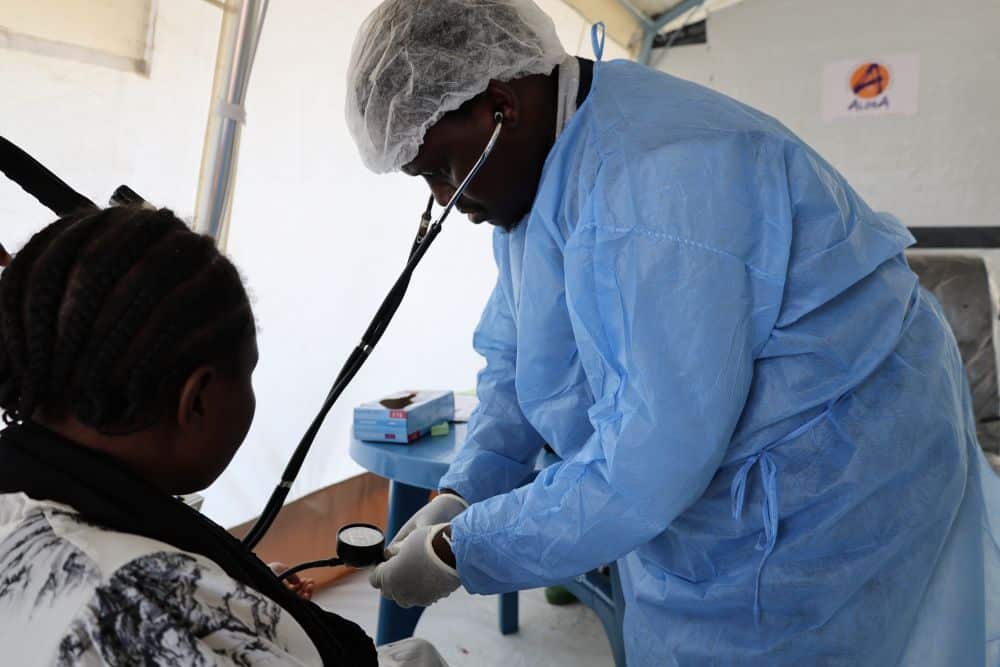
When an identified contact agrees to visit a PEP center, they are greeted by an investigator who will assess their health status and evaluate their eligibility to participate in the trial. The investigator then explains the trial to the participant and, if the participant agrees, obtains informed consent. Research nurses and physicians then collect samples and administer the treatment or placebo for the first time. The participant will then be monitored twice a day for ten days, either at the PEP center or at home, depending on the protocol’s guidelines.
Participants are then followed up through day 42 to monitor for the onset of symptoms suggestive of Bundibugyo virus disease or the occurrence of any adverse effects from the treatment, in accordance with the trial protocol.
To increase the rate of enrollment in the trial, a strategy involving the deployment of mobile teams has been in place since October 28.
International collaboration is essential to the trial’s success
The EBO-PEP trial is based on close international collaboration among the consortium partners: the National Institute for Biomedical Research (INRB), ALIMA (The Alliance for International Medical Action), ANRS MIE / Inserm, the University of Bordeaux, the PAC-CI program, and the Laboratory of Sociology, Anthropology, and Psychology at Cheikh Anta Diop University (UCAD) in Senegal are pooling their scientific, technical, medical, and operational expertise. Africa CDC and the WHO are also providing valuable support for the conduct of the trial.
This synergy ensures a rigorous approach at every stage of the study—from its design to its implementation in the field, including scientific monitoring and data analysis—while situating the trial within a demanding international context.
[1] The EBO-PEP clinical trial is evaluating the efficacy of two antiviral drugs, obeldesivir and remdesivir, as a post-exposure prophylaxis (PEP) strategy for “high-risk contacts” of Bundibugyo Ebola virus disease (BEVD) in the Democratic Republic of the Congo (DRC).
Head Photo Caption: Two research physicians explain the trial to two potential participants before obtaining their consent to join it. September 2026, PEP Center in Nizi, Ituri, Democratic Republic of the Congo. (© Marie Lechapelays / ALIMA)


